Table of Contents
Valmiki Samadhi Temple (वाल्मीकी समाधी मंदिर )
Whenever we hear the name Maharshi Valmiki, the first thing that comes to our mind is the Ramayana.
We know him as the great rishi, the Adi Kavi, whose words shaped one of the greatest epics in our history.
But very few of us stop and think beyond that.
Where was he born?
What kind of life did he live before becoming a rishi?
Where did he take samadhi?
Before this journey, even I didn’t know the answers. And I can confidently say—only a handful of people know about this place today.
So in today’s blog, I’m taking you into a lesser-known chapter of our history, deeply connected with the Ramayana, to a place that is calm, spiritual, and almost forgotten—the Samadhi Temple of Maharshi Valmiki, located near Pune.
Yes, you read it right.
Not somewhere far away…
Not in another state…
But right here, just 60 km from Pune.
The samadhi is located in a small village called Wawale (Walhe) Village, named after Valya, the original name of Valmiki before he became a rishi. Even the village name quietly preserves history.
So let’s begin this spiritual and historical journey.
Maharshi Valmiki – A Life That Teaches Transformation
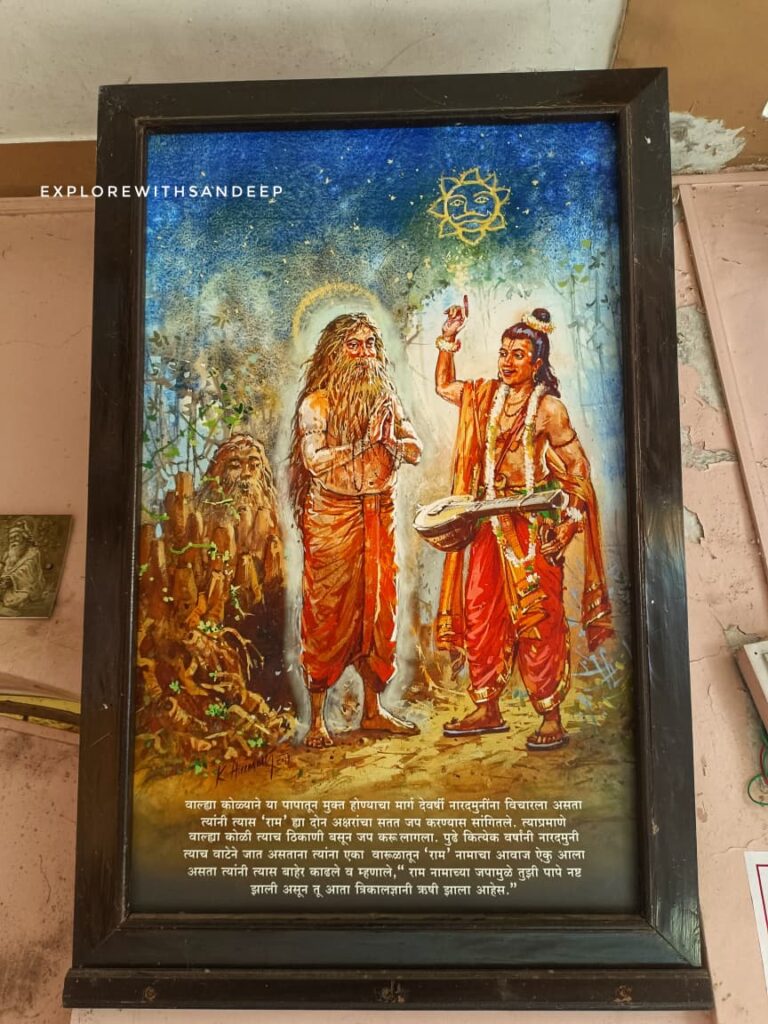
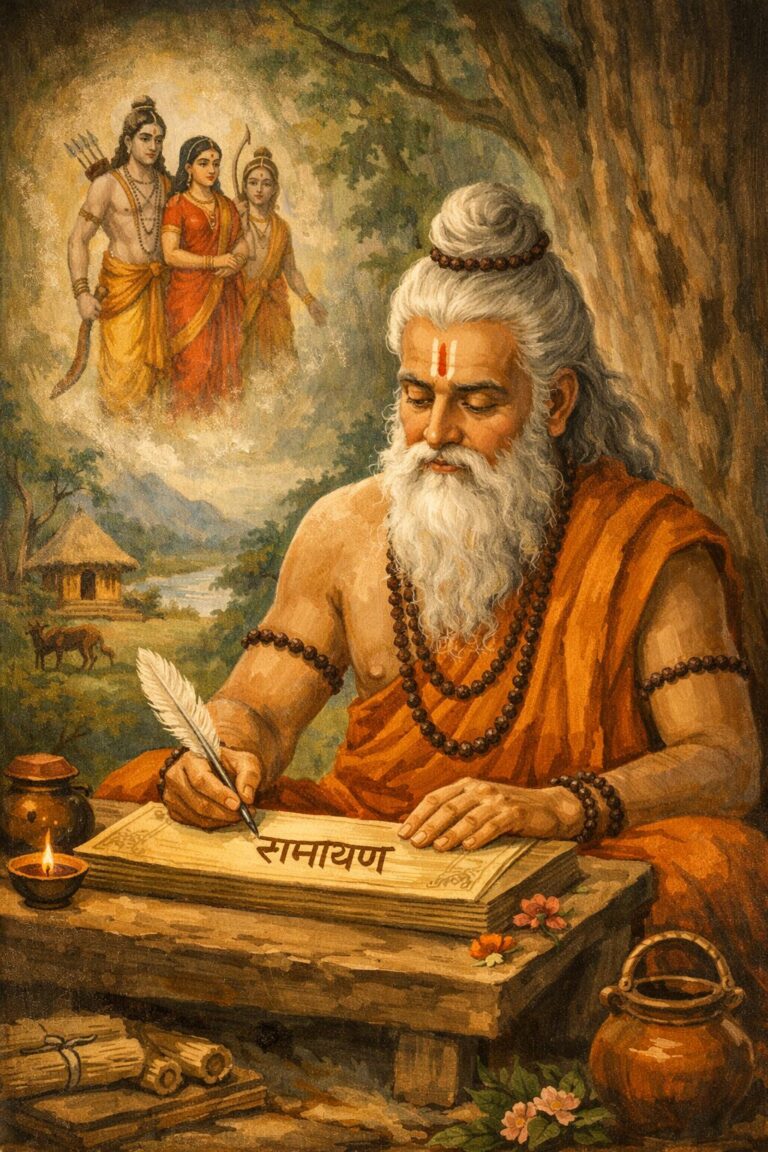
Before becoming Maharshi Valmiki, he was known as Valya (also called Ratnakar).
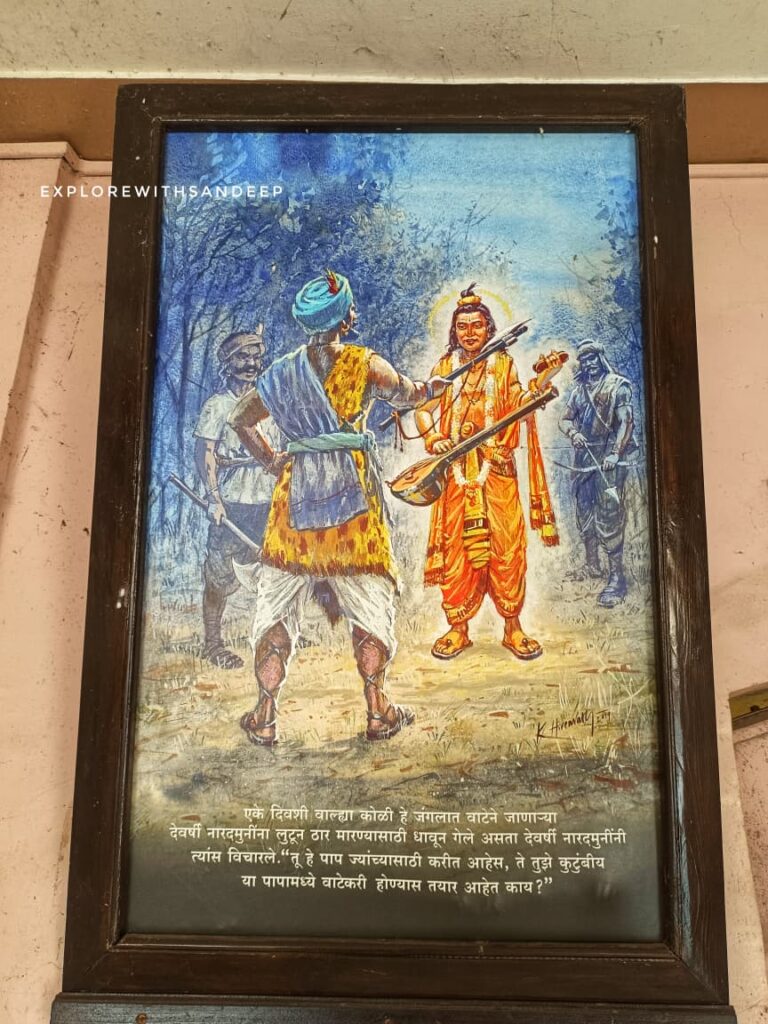
Valya’s early life was far from saintly. He lived in dense forests and survived by robbing travelers. Violence and fear were part of his everyday life. But destiny had other plans.
His life changed when he met Narad Muni.
Narada Muni asked him a question that hit him deeply:
“Will your family share the sin of your actions?”
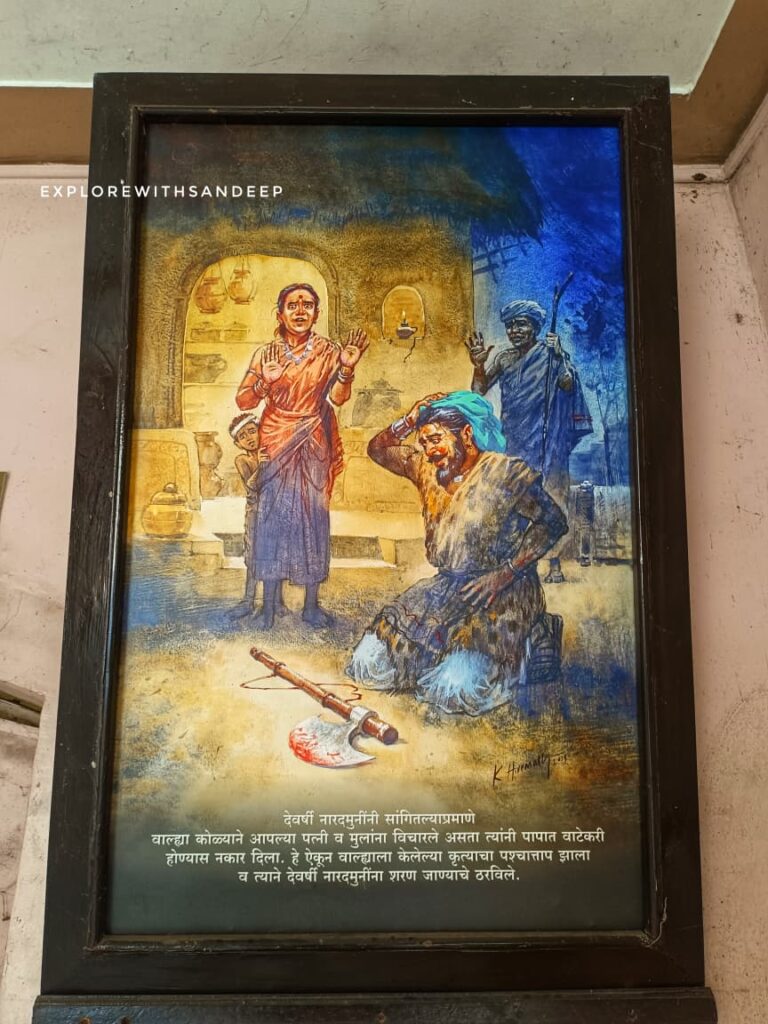
Valya went to his family and realized a painful truth—no one would take responsibility for his sins. That moment shook him completely and forced him to look within.
Narada Muni then asked him to chant the name of Lord Rama. Valya couldn’t even pronounce “Ram”, so he started chanting “Mara, Mara”, which slowly turned into “Rama, Rama”.
Through years of meditation, penance, and devotion, Valya transformed into Maharshi Valmiki—the first poet of Sanskrit literature, known as the Adi Kavi.
He wrote the Ramayana, not just as a story, but as a guide for humanity—teaching us about dharma, truth, devotion, patience, and the power of change.
It is also believed that Maharshi Valmiki was the guru of Lord Rama’s sons, Luv and Kush. They learned the Ramayana directly from Valmiki and later sang it in the court of Ayodhya, making his role in Ramayana even more special.
It is believed that Maharshi Valmiki took samadhi near present-day Pune, in a village that still remembers him by his old name, quietly preserving this powerful history.
How This Journey Started
On 25th January, I called my friend Adi. He was in his village at that time. Just casually—with no travel plans, no backpack ready, and no bike serviced—I asked him:
“Bro, what’s special in your village? Anything worth seeing?”
What he said next completely ignited my travel enthusiasm.
He replied,
“Maharshi Valmiki took samadhi in our village. His samadhi temple is here.”
I didn’t ask a second question.
That one line was more than enough.
Without wasting a single moment, I called my friend Charan. Luckily, the next day—26th January—was a holiday.
No office stress.
No manager calls.
No excuses.
Just a quick decision, a shared smile, and a silent agreement.
Decision made.
Trip planned.
Bike keys in hand.
And just like that, a simple phone call turned into a memorable journey.
Journey Begins 🏍️
We started our journey around 9:00 AM, with fresh minds and full excitement.
We chose the route:
Dive Ghat → Saswad → Jejuri → Wawale Village
The ride itself felt refreshing. As the city slowly faded behind us, traffic reduced, noise disappeared, and the roads became calmer, surrounded by open land, small villages, and peaceful views.
After about one hour, we reached Jejuri. While passing by, we took blessings of Jejuri Khandoba from the road itself, with folded hands and a short prayer—because even a glance and a thought is enough when faith is strong.
We didn’t stop or enter the temple; we continued riding, carrying those blessings along with us.
From Jejuri, we took help from Google Baba (our modern-day guide 😄).
The village was just 12 km away, and within no time, we reached Wawale Village.
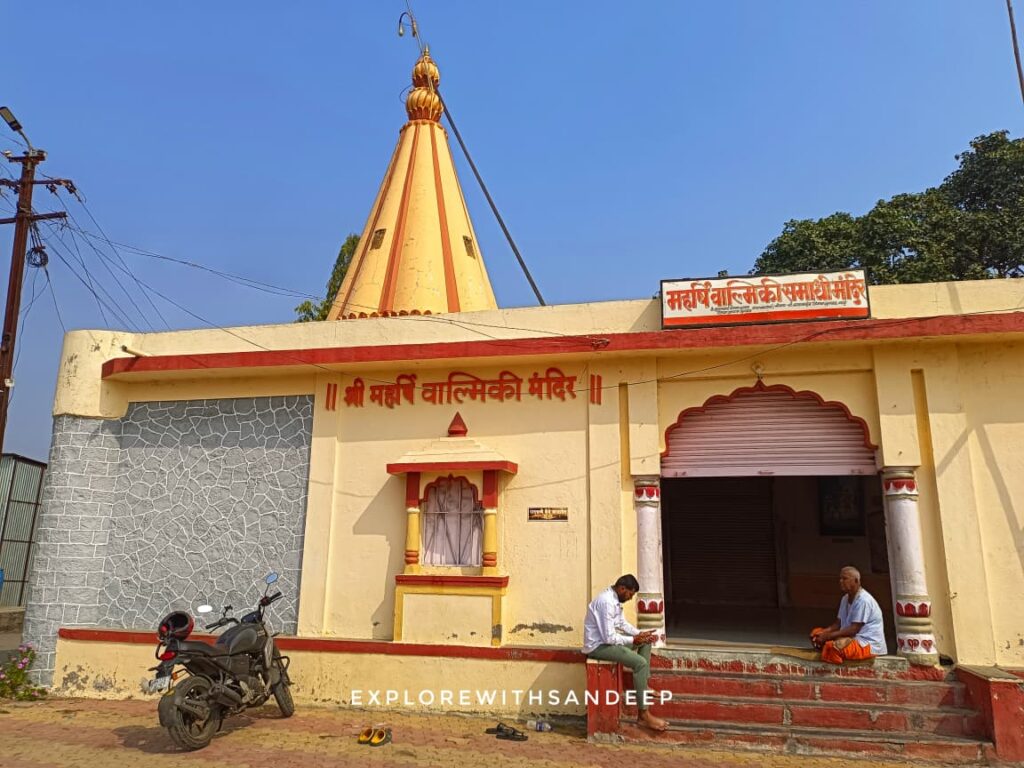
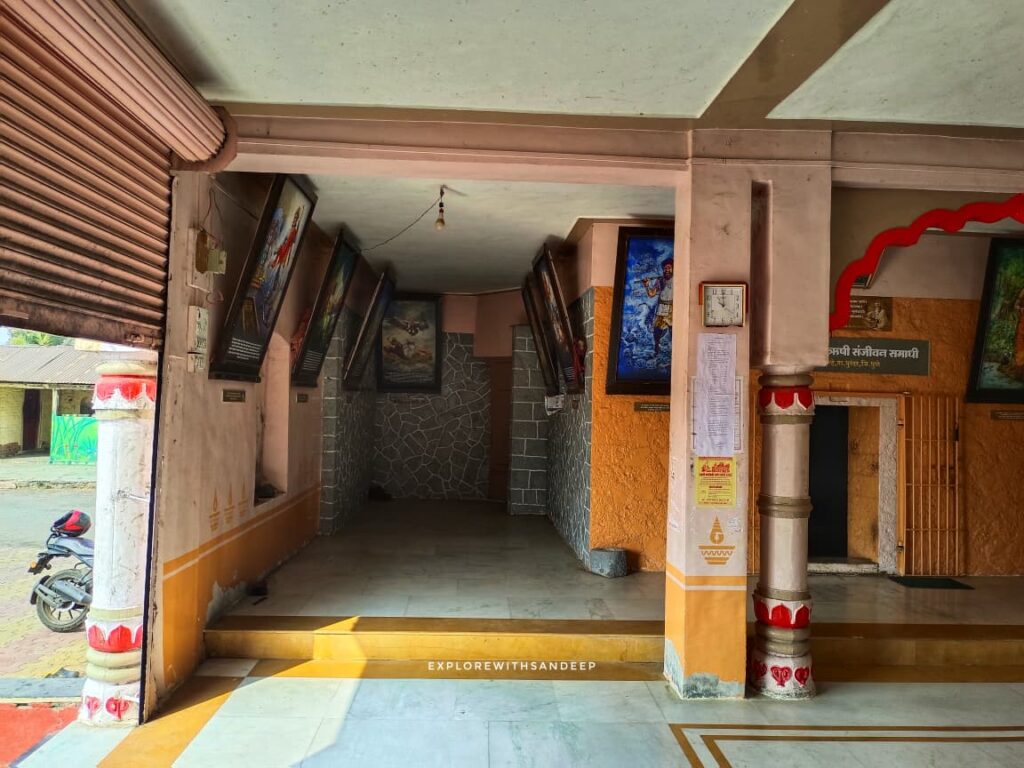
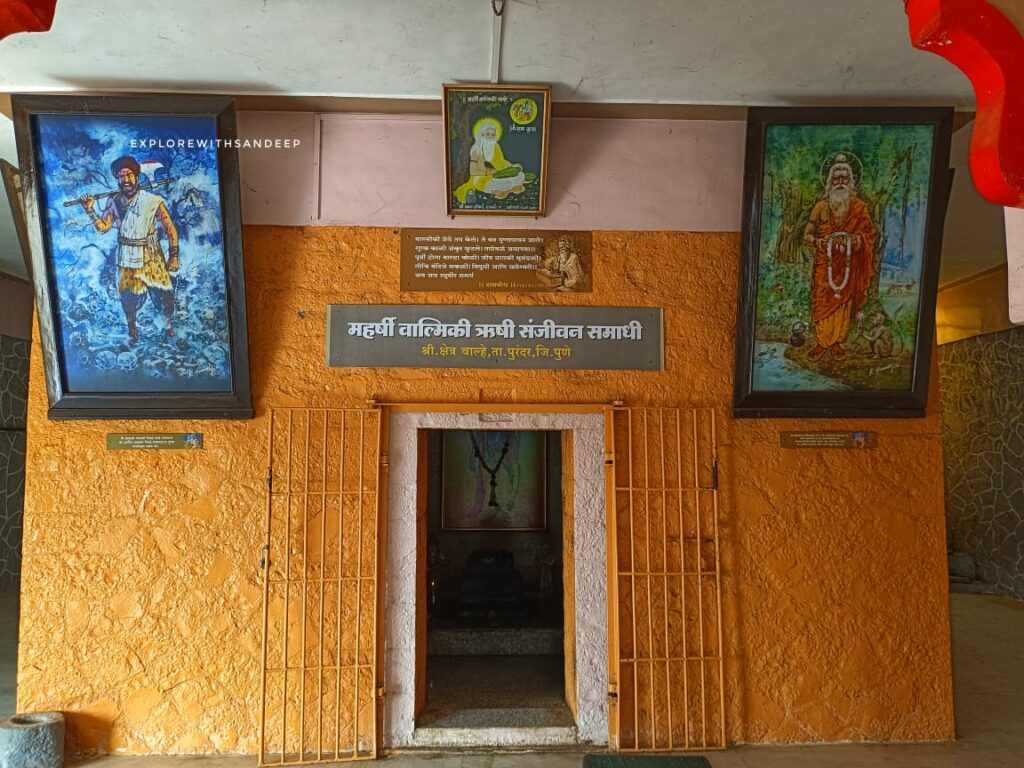
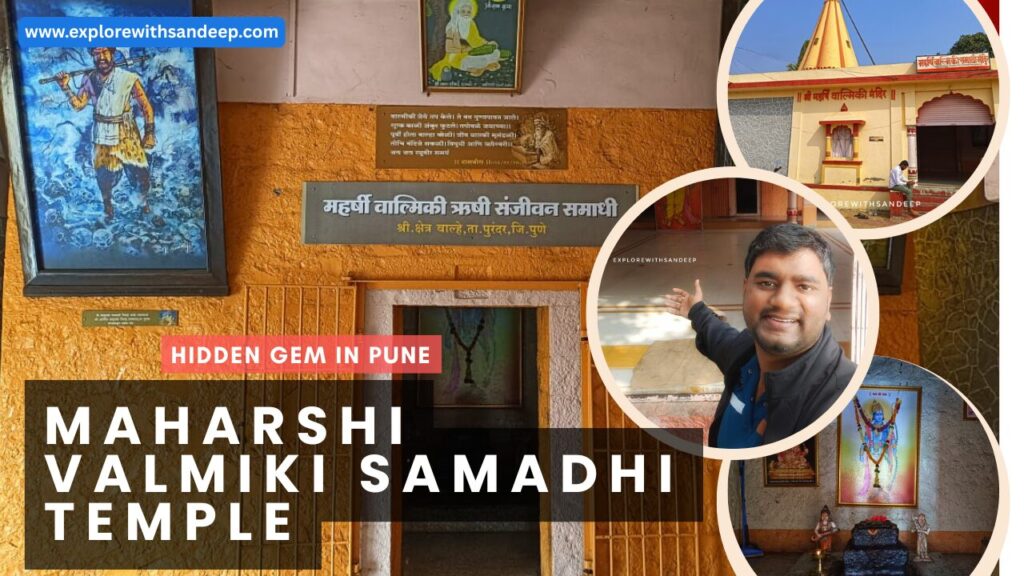
As soon as you enter the village, within 500 meters, the Valmiki Samadhi Temple appears quietly no big hoardings, no crowd, just simplicity and peace.
Entering the Valmiki Samadhi Temple 🛕
I parked my bike and stepped inside the temple.
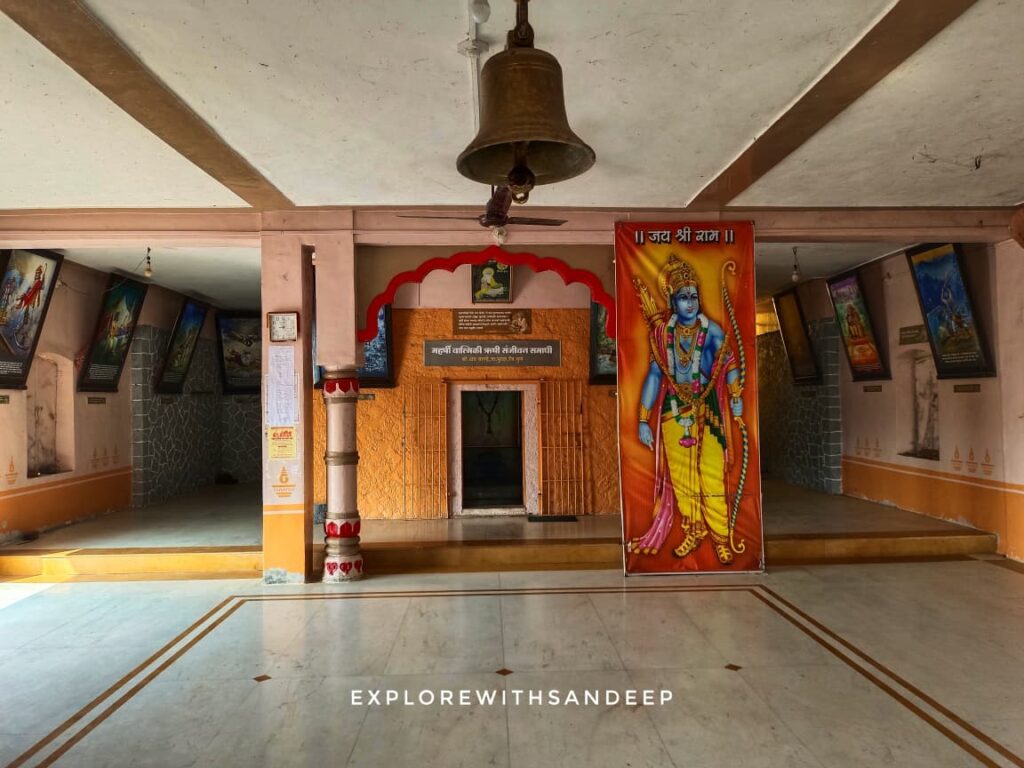
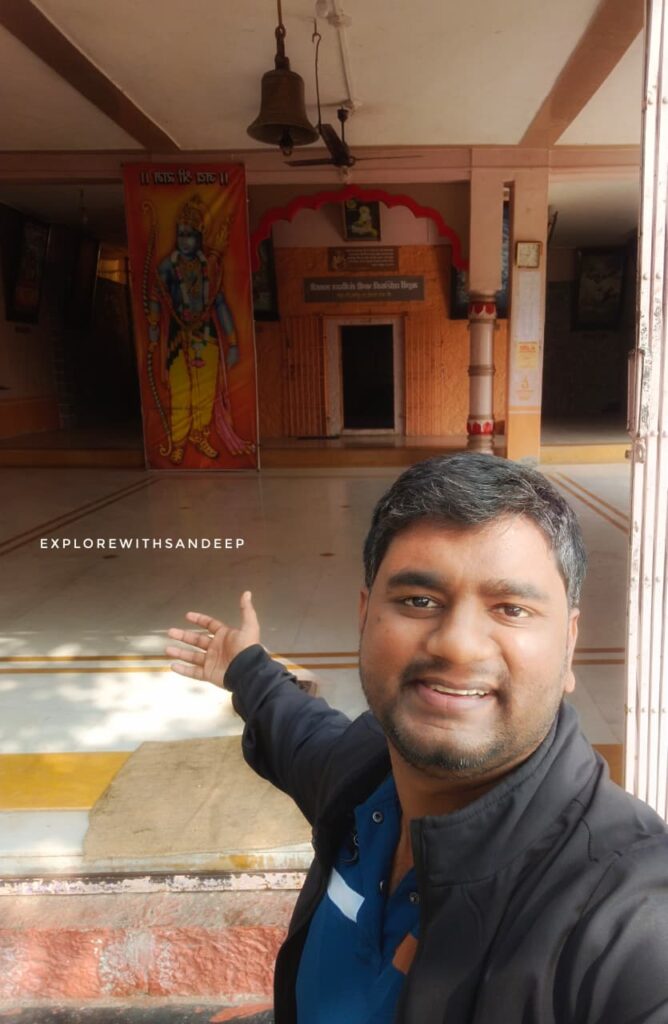
The temple is small, but the moment you enter, you feel something different. There’s a calmness in the air, a silence that makes you slow down automatically, as if the place itself is asking you to pause and reflect.
The walls of the temple are decorated with frames showing the life journey of Valya—how a robber transformed into Maharshi Valmiki through devotion and penance.
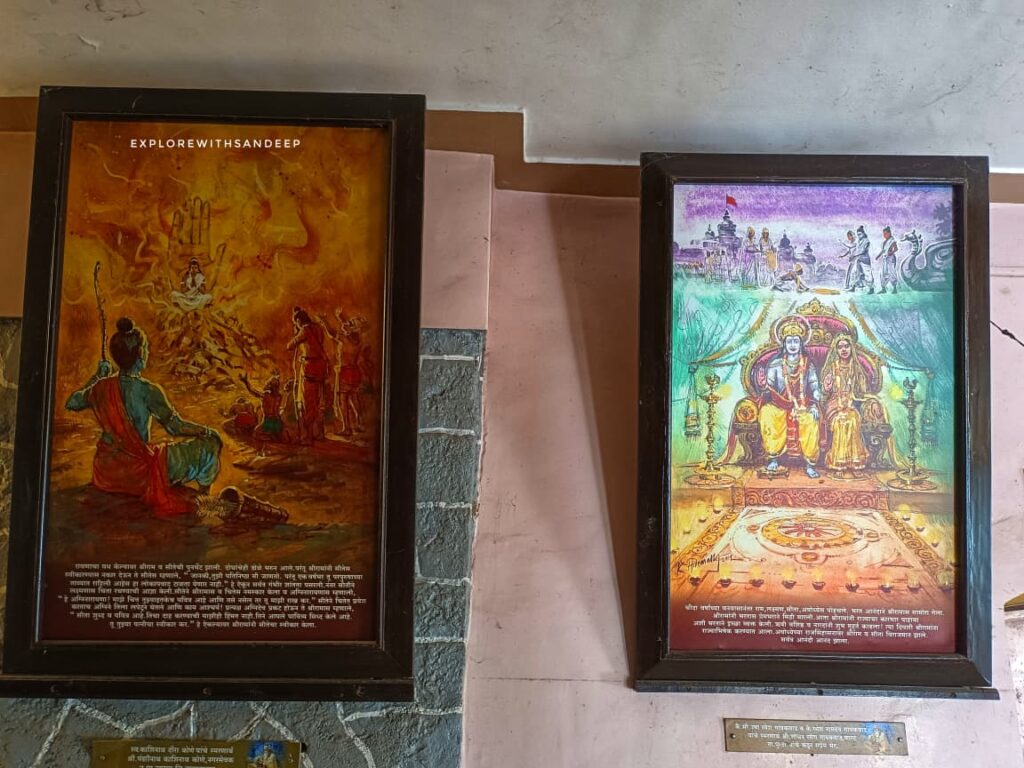
On the side walls, there are frames depicting the entire life of Lord Rama—from his birth, exile, the battle with Ravana, and finally the Rajyabhishek in Ayodhya. Walking past these frames feels like moving through the pages of the Ramayana itself.
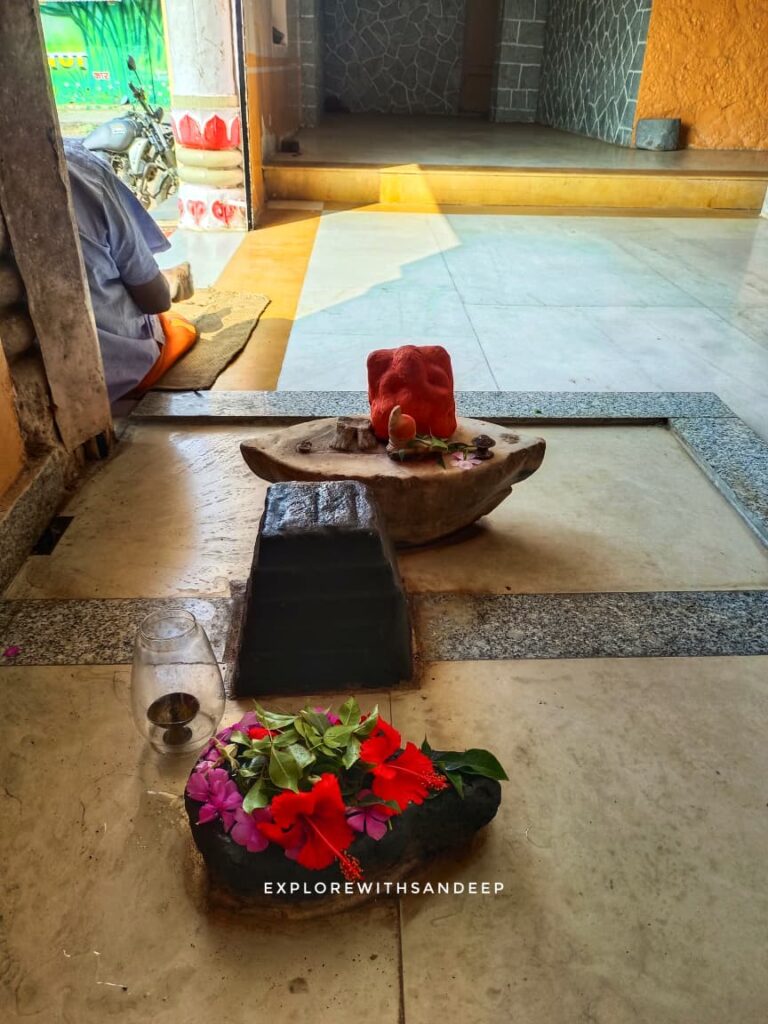
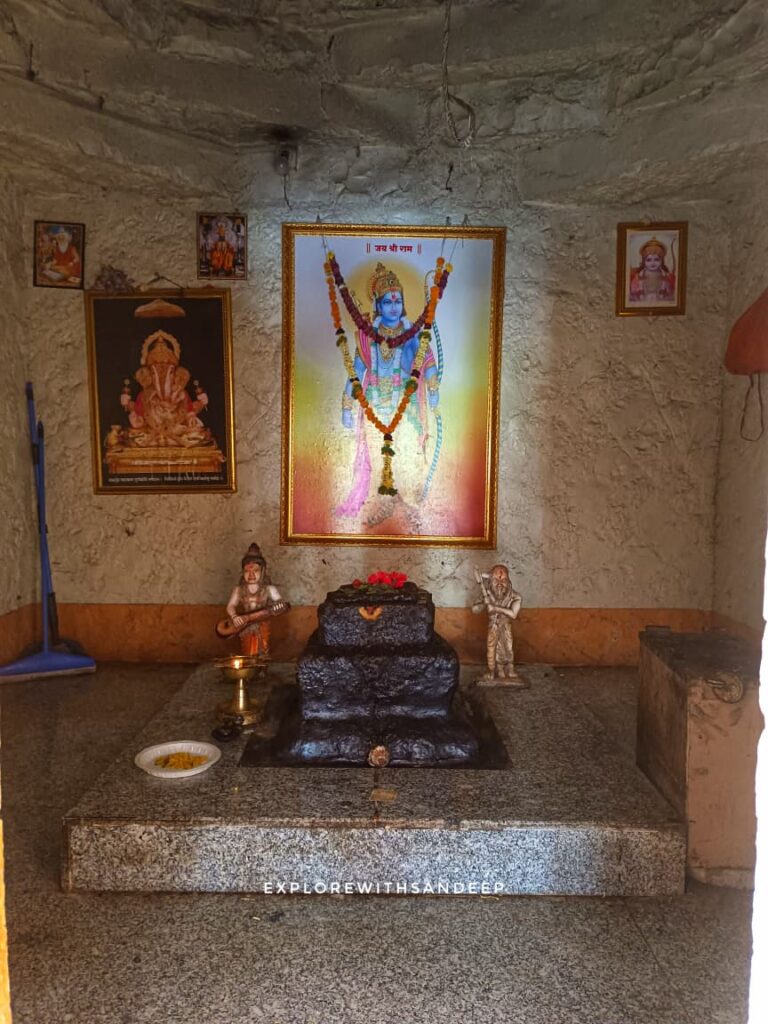
When I entered the garbhagriha, I stood quietly in front of the samadhi.
The samadhi is simple, but its meaning is deep and powerful.
On one side, it shows Valya, the man who once lived a life of violence.
On the other side, it shows Maharshi Valmiki, the enlightened rishi.
Standing there, one thought stayed with me:
If Valya can transform into Valmiki, change is possible for anyone.
Behind the samadhi is a beautiful picture of Lord Rama, completing the powerful story of transformation and devotion.
We folded our hands, took blessings, and stood there silently for a few moments no rush, no photos, just gratitude and peace.
Exploring the Peaceful Surroundings 🌿
After coming out of the temple, we slowly explored the surrounding area.
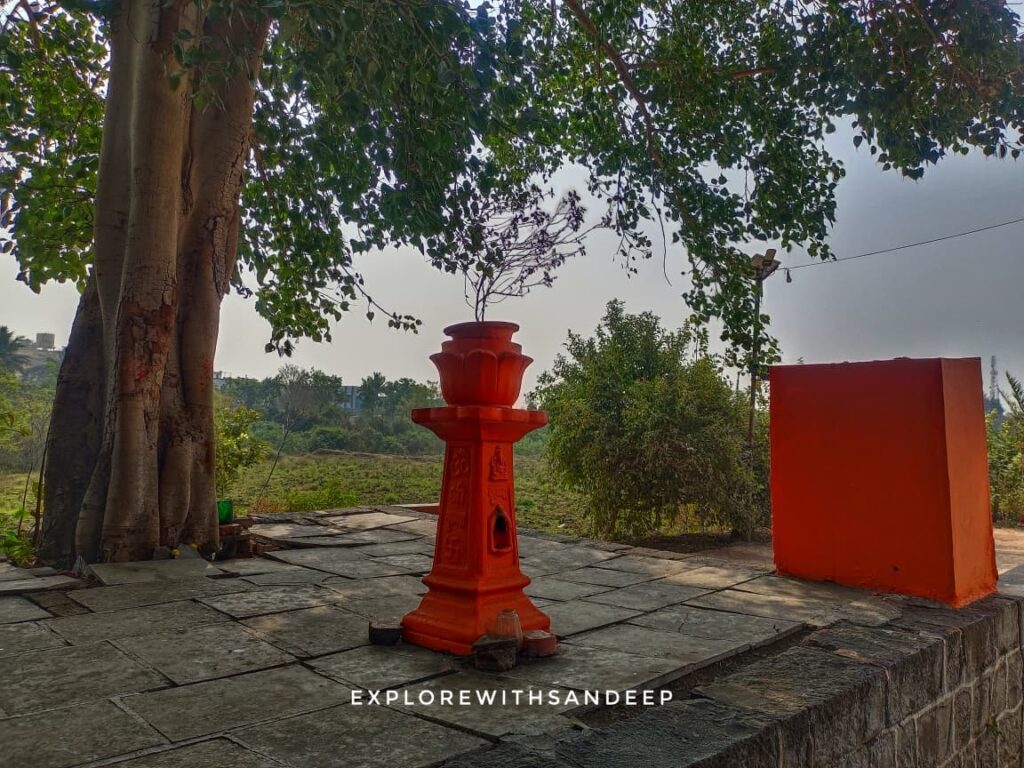
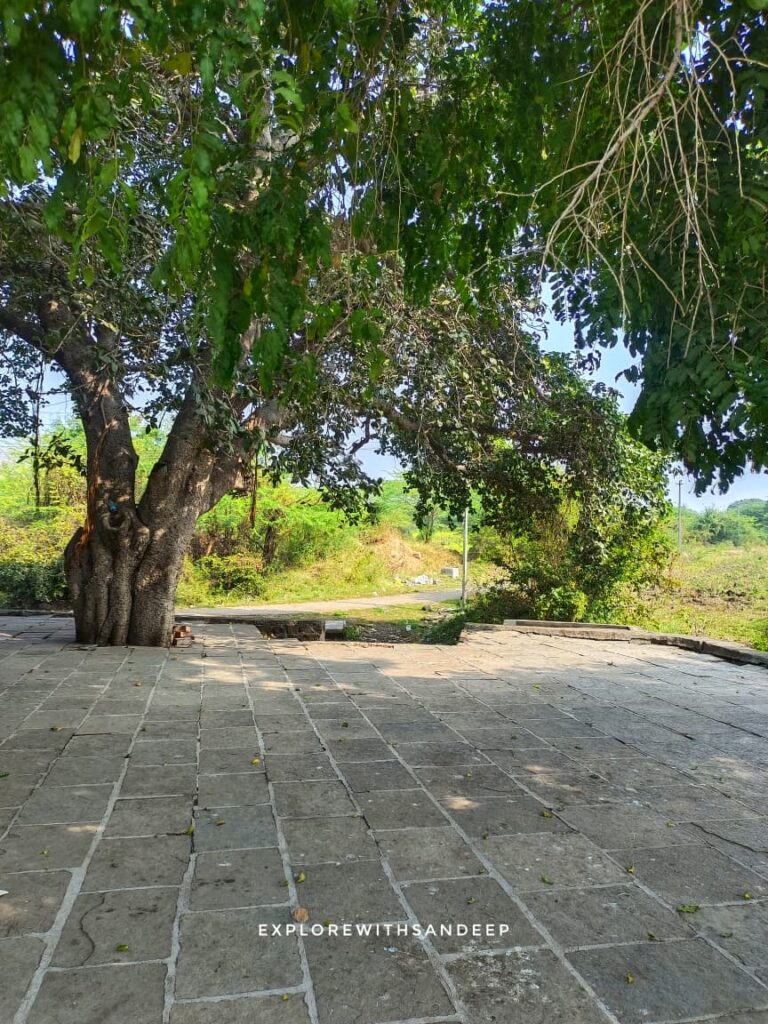
The temple is surrounded by trees and greenery, making the place feel extremely peaceful and refreshing. The silence here feels different—calm and comforting. Nearby, there is a Hanuman Temple, and right next to it stands a huge Tulsi plant, quietly spreading positivity and purity.
We folded our hands and took blessings of Lord Hanuman as well, feeling a sense of calm before moving ahead.
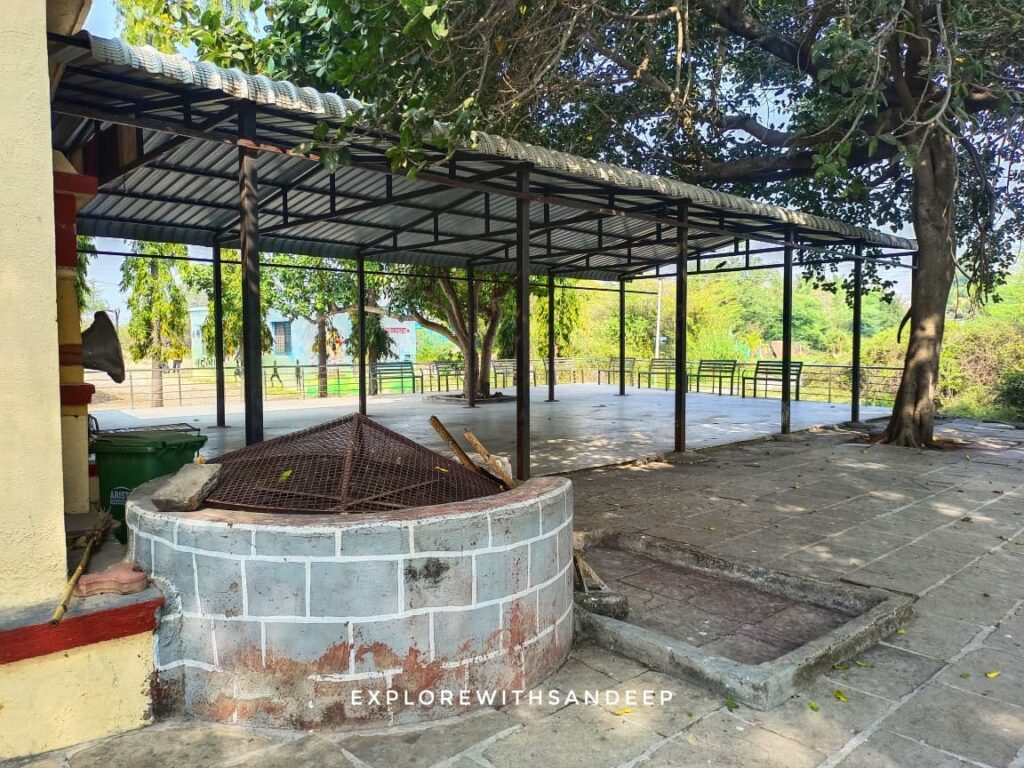
There is also a small kuva (well) nearby. It is believed that this well was used for drinking water and daily activities in earlier times. Today, it is covered with a net for safety, but it still stands there as a silent reminder of the past and simple village life.
Listening, Learning, and Reflecting
We then sat with the pandit ji of the temple.
He spoke about Maharshi Valmiki’s life journey, his transformation, and the importance of the Ramayana. Me and Charan hardly spoke—we just listened quietly, completely absorbed in his words.
Moments like these remind you why you travel.
Not just to tick places off a list,
but to learn, reflect, and feel deeply connected—to history, to faith, and to yourself.
A Visit to Lord Mhaskoba Temple 🙏
After spending enough time at the samadhi, we decided to visit another important temple nearby.
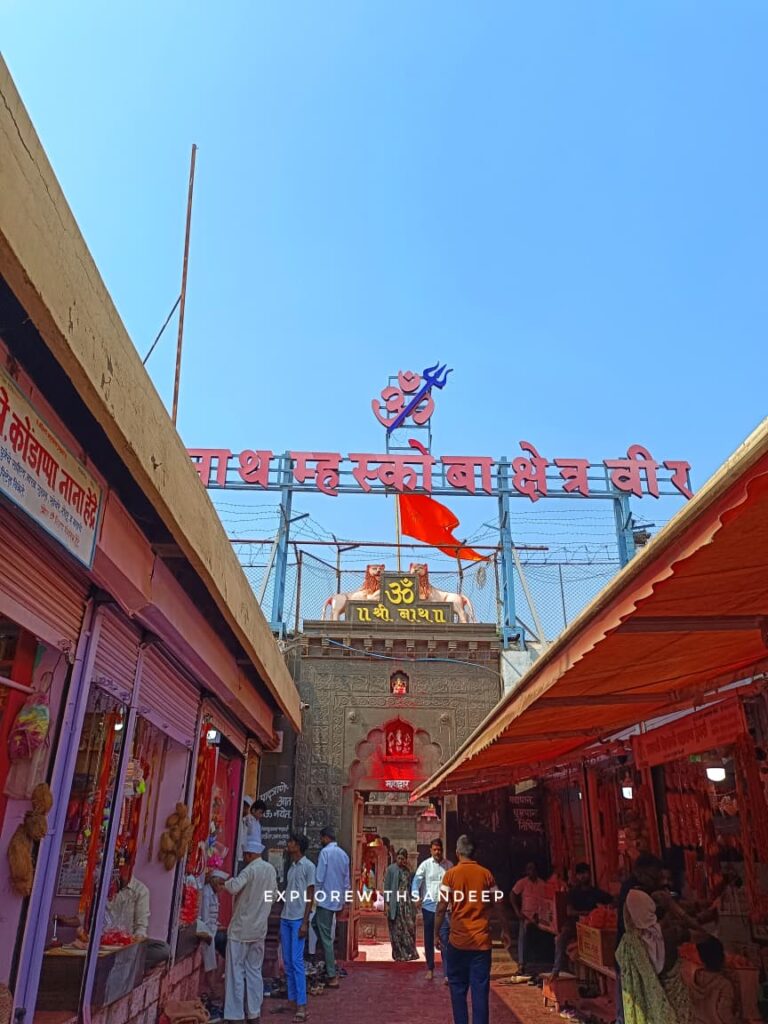
Just 12 km away, in Veer Village, is the famous Lord Mhaskoba Temple. So once again, we started our ride, carrying the calmness of Valmiki Samadhi with us.
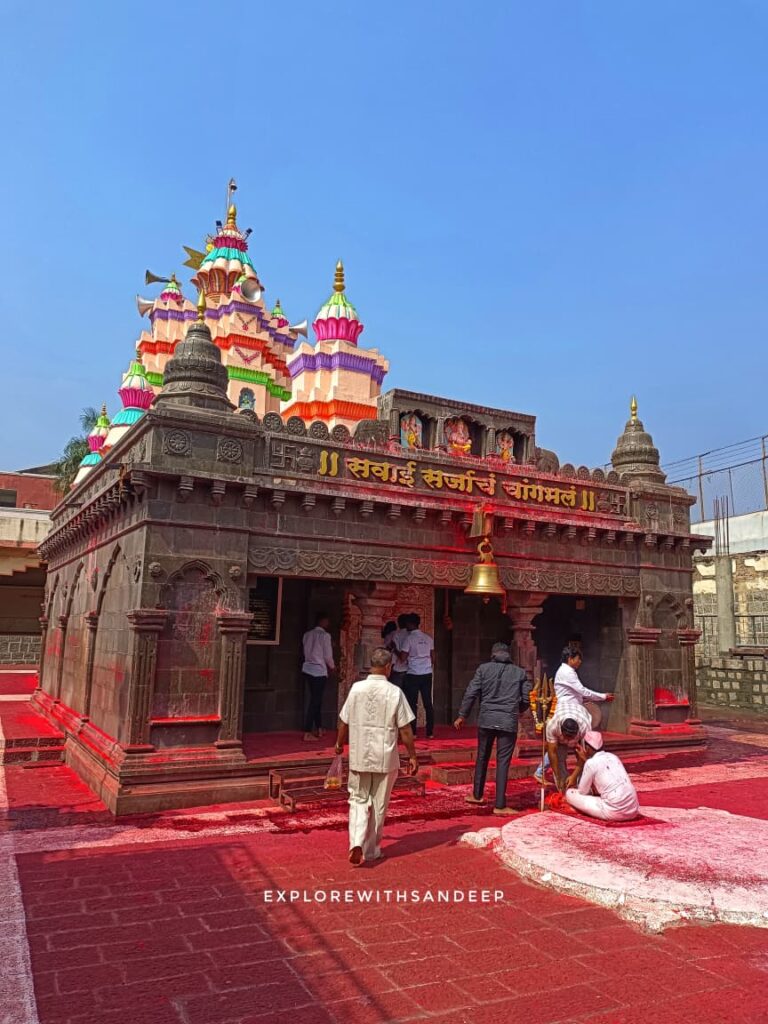
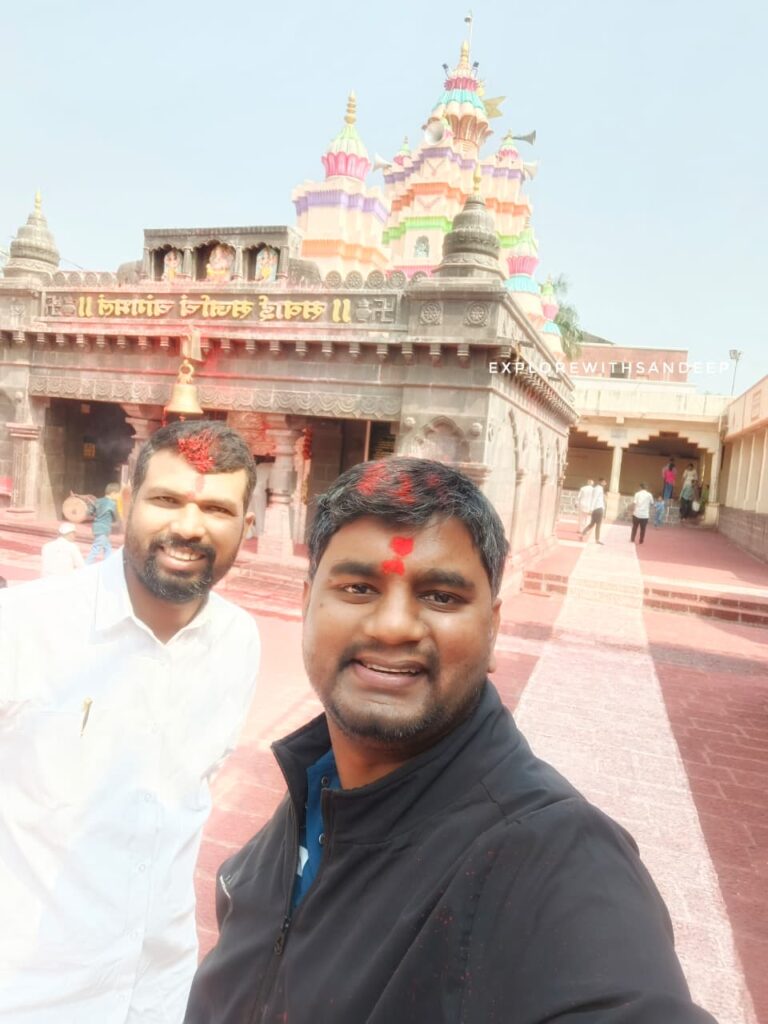
If Jejuri is known for turmeric, then Mhaskoba Temple is known for gulal. As soon as we reached, gulal was everywhere—on the ground, on devotees, and even floating in the air. The place felt lively, colorful, and full of energy.
We folded our hands and took blessings of Lord Mhaskoba, soaked in the vibrant atmosphere, and then slowly prepared ourselves for the return journey, carrying memories of a truly spiritual day.
The Ride Back Home 🚴♂️
As we rode back, the roads felt the same—but our minds were different.
Calmer.
More thoughtful.
More connected to our roots.
There was no rush to reach home. The silence spoke more than words, and the journey slowly settled in our hearts.
This was not just a ride or a visit to a temple.
It was a reminder that our history is alive, quietly waiting for us to pause, listen, and learn.
Some journeys don’t end when you return home.
They stay with you—as peace, as thought, and as faith.
And this one did exactly that. 🙏
Final Thoughts on Maharshi Valmiki Samadhi Temple
This journey reminded me that some of the most important places are not crowded or famous. They quietly carry stories, values, and lessons from our history. Visiting the samadhi of Maharshi Valmiki was not just a road trip from Pune, but a meaningful experience that showed the power of transformation, faith, and self-reflection. Calm roads, silent temples, and powerful stories made this journey special.
If you are someone who loves peaceful travel, hidden history, and spiritual places, I truly recommend you to visit Valmiki Samadhi once and experience it yourself.
How to Reach Maharshi Valmiki Samadhi Temple
Maharshi Valmiki Samadhi Temple is located in Wawale (Walhe) Village, around 60 km from Pune. The best way to reach is by bike or car. Start from Pune and take the route Dive Ghat → Saswad → Jejuri. From Jejuri, the temple is just 12 km away and well connected by village roads. As you enter Wawale Village, the temple is located within 500 meters from the village entrance. The roads are mostly good, and the journey itself is calm and pleasant, making it ideal for a one-day trip from Pune.
Frequently Asked Questions – Maharshi Valmiki Samadhi Temple
1. Where is Maharshi Valmiki Samadhi Temple located?
The temple is located in Wawale (Walhe) Village, near Jejuri, around 60 km from Pune.
2. How far is the temple from Pune?
The distance from Pune is approximately 60 km, making it ideal for a one-day trip.
3. How far is the temple from Jejuri?
From Jejuri, the temple is just 12 km away and easy to reach by road.
4. Is there any entry fee to visit the temple?
No, there is no entry fee. The temple is open to all visitors.
5. Is the place crowded?
No, the temple is peaceful and less crowded, especially on weekdays.
6. What is the best time to visit Maharshi Valmiki Samadhi Temple?
The best time to visit is morning hours. Winter and monsoon seasons are most comfortable.
7. Can families and elderly people visit this place?
Yes, the temple is suitable for families, elders, and children.
8. Are food and water facilities available nearby?
Food options are limited near the temple. It is better to eat at Jejuri and carry water.
9. Is the road condition good for bikes and cars?
Yes, the roads are good and safe for both bikes and cars.
10. Is this place worth visiting?
Yes, if you enjoy spiritual places, quiet travel, and hidden history, this place is definitely worth visiting at least once.
Tell Your Friends About Maharshi Valmiki Samadhi Temple
Recently Added Post

Maharshi Valmiki Samadhi Temple, Walhe Village – A Hidden Chapter of Ramayana Near Pune

Dukes Nose – A Perfect Weekend Trek Near Lonavala